
Manufacturing · Business electricity
BICS: manufacturing electricity relief and the 2026 deadline
The British Industrial Competitiveness Scheme (BICS) targets certain electricity policy costs for eligible manufacturers in Great Britain. It is not a blanket discount for every manufacturing business.
Official guidance checked 10 October 2026 · By Energy Saving Guru
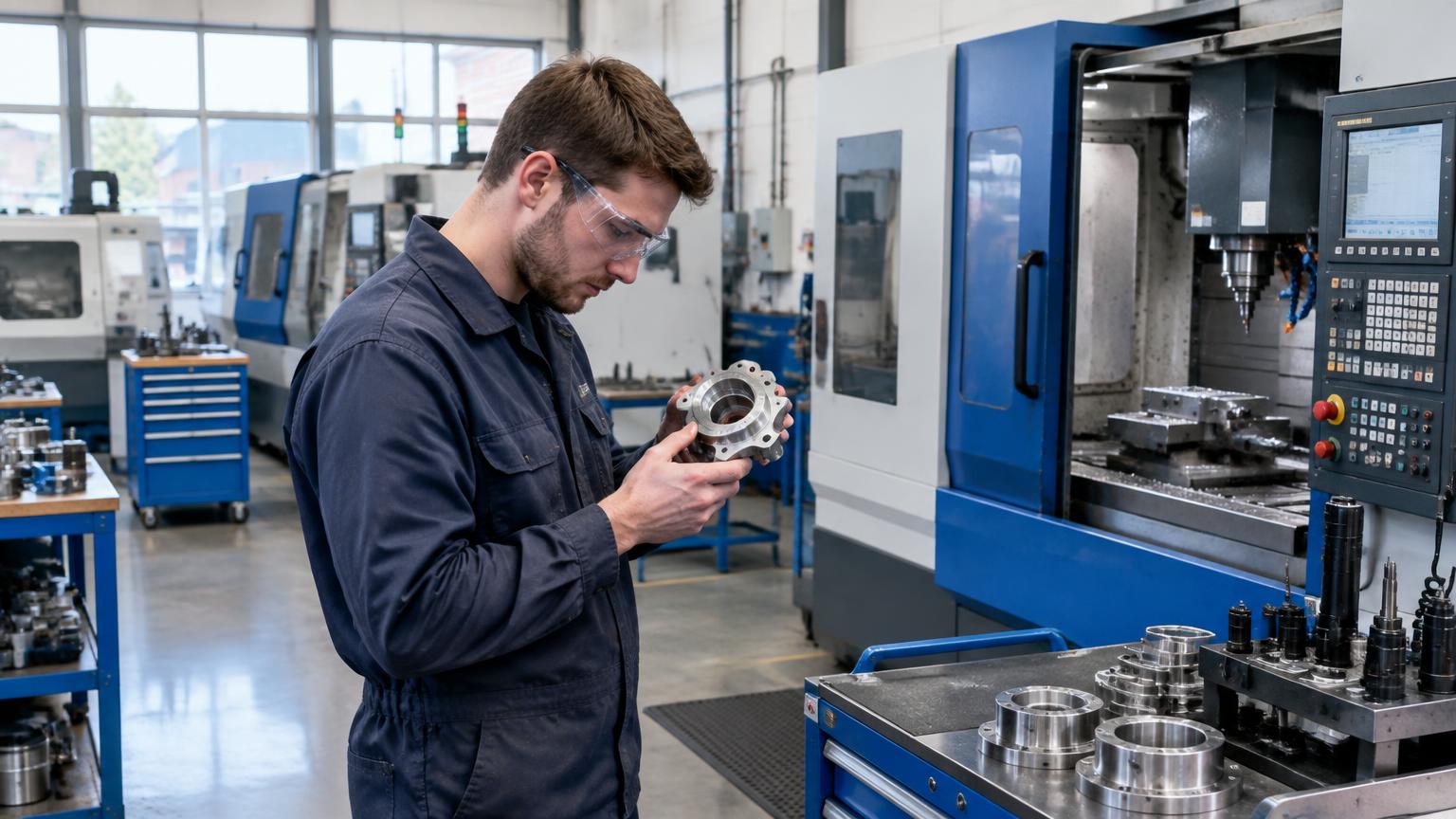
Illustrative image, not an ESG customer or evidence of a scheme award.
Who may qualify for BICS?
The official applicant guidance (sections 2.1–2.5) sets out four criteria. Manufacturing alone, a large bill or a company’s name does not establish entitlement.
- Companies House registration. The business must be registered. Some company statuses require additional evidence; check the current register before applying.
- An eligible sector. The manufacturing activity must fall within an eligible SIC 2007 sector. For companies required to register SIC codes, an eligible code must be recorded at Companies House. Check the official list rather than assuming all manufacturing sectors qualify.
- Eligible products made in Great Britain. Goods must fall within the relevant 6-digit Harmonised System (HS) codes. SIC sector eligibility alone is not enough. Northern Ireland is outside this scheme’s Great Britain scope.
- Site-level grid electricity consumption. Each manufacturing site must use at least 33 MWh (33,000 kWh) a year. Evidence must show more than 16.5 MWh (16,500 kWh) during the most recent six consecutive months available within the last 12 months. Do not simply add unrelated sites together to reach the threshold.
The sector electricity-intensity thresholds determine which SIC codes are on the list; they are not an extra percentage-of-turnover test in this quiz. Check both your actual activity and the official SIC/HS lists.
What costs does the scheme cover?
BICS provides exemptions from indirect Renewables Obligation (RO), Feed-in Tariffs (FiT) and Capacity Market (CM) costs. The guidance expects RO and FiT exemptions from April 2027, followed by CM exemptions from October 2027. Eligibility decisions are expected in early 2027.
A site making only eligible products will normally receive a 100% exemption from the relevant policy costs, subject to verification and adjustments. Mixed production is pro-rated. This is not a 100% discount on the electricity bill. Shared meters, out-of-scope electricity and support under the British Industry Supercharger can change the result; the same relief cannot be received twice.
The guidance describes the scheme’s implementing legislation. Check GOV.UK for final delivery updates, and do not treat this article as a guarantee of future payments.
Preliminary check
Could your manufacturing site be in scope?
No contact details needed. This is an ESG screening tool, not the government’s eligibility checker or an application. Answers stay on this page and are not submitted.
Illustration only
What could policy-cost relief look like?
These starting figures are made-up examples, not a published BICS rate or an ESG quote. Enter an assumed combined RO, FiT and CM cost in pence per kWh — not your full electricity unit price.
Illustrative full-year relief on these policy costs only
£3,000.00
Formula: annual kWh × assumed policy p/kWh ÷ 100 × assumed eligible share ÷ 100. This is not a total-bill saving, eligibility assessment or first-year forecast. Actual relief depends on government verification, eligible activities, shared meters, supplier charges and other support. RO/FiT relief is expected from April 2027 and CM from October 2027, so a combined full-year illustration does not represent 2027 payments. VAT, standing charges, energy costs and other charges are excluded. The eligible share here is an assumption, not the official allocation methodology.
What to prepare before applying
Use the checklist in section 1.4 and the evidence requirements in the official guidance. Gather company registration and sector details, eligible product information, site and meter details (including MPANs), and electricity evidence for the required period. Mixed production or shared meters can require additional allocation evidence.
- Confirm the actual manufacturing activity against the official SIC and HS lists.
- Check each site’s grid usage and gather the specified six-month evidence.
- Review shared meters, other activities and any existing relief.
- Submit a full application using the GOV.UK service before the deadline; keep your evidence and confirmation.
ESG can discuss your business electricity arrangements and help you identify questions to check. We are an independent business utilities broker, not the scheme administrator. A callback does not determine eligibility or submit an application.
You can also read about business electricity reviews, use the renewal tracker, or read our business utility cost guide. A BICS enquiry does not require you to switch supplier.
Talk to ESG about your manufacturing electricity
Ask for a callback about the checks and your electricity arrangements. This is a request to ESG, not an application to government.
Official sources and scope
- GOV.UK BICS collection — official checker, application and updates
- GOV.UK applicant guidance — timing (1.3), eligibility (2), calculation (4), applications (5) and delivery (6)
- GOV.UK eligible SIC and HS codes
Links open in a new tab. Guidance checked 10 October 2026. This article is general information; official guidance and the government’s assessment take precedence. No entitlement, award, saving or application outcome is promised.